Mountain access shapes the job before the first load lands
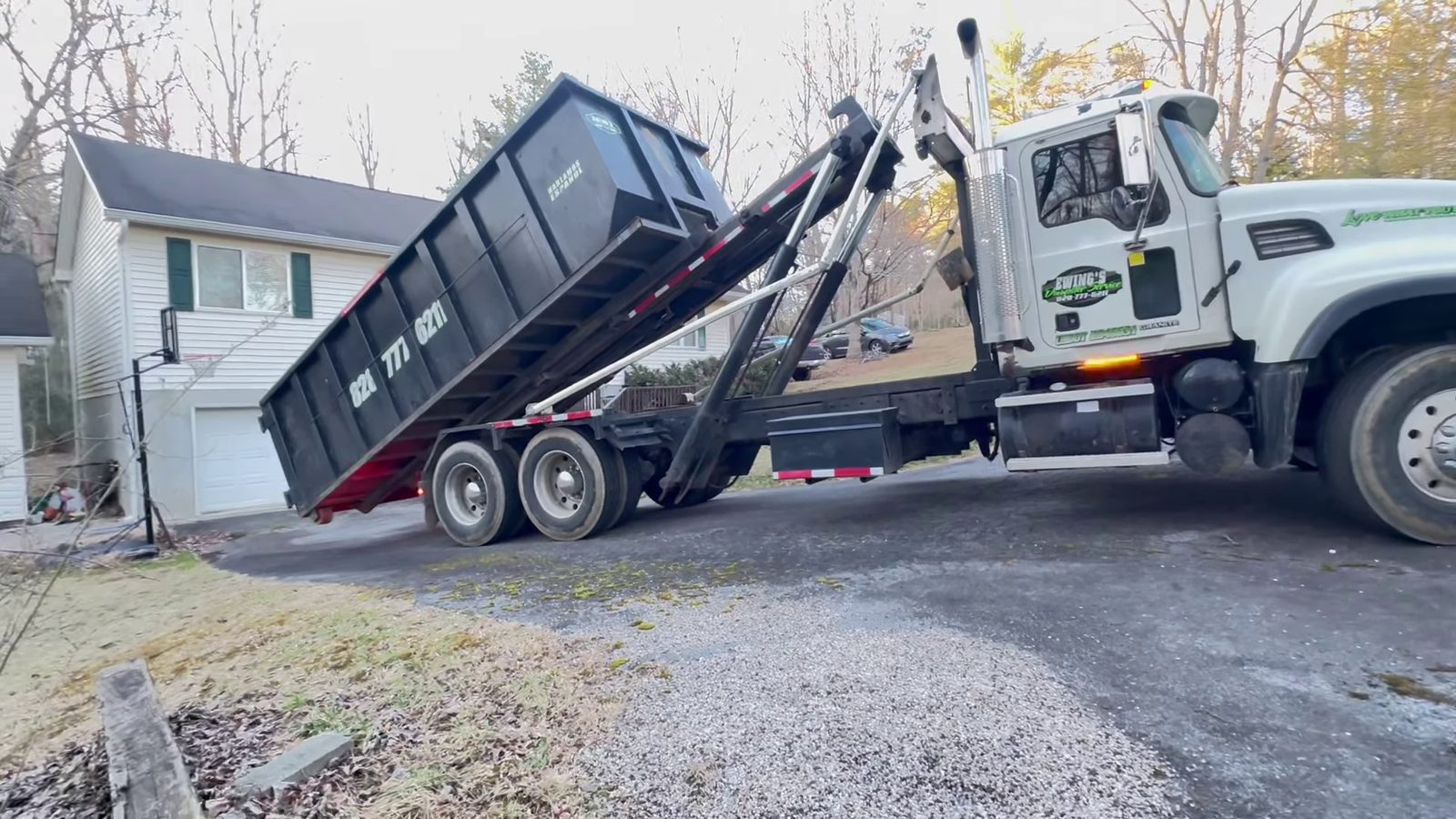
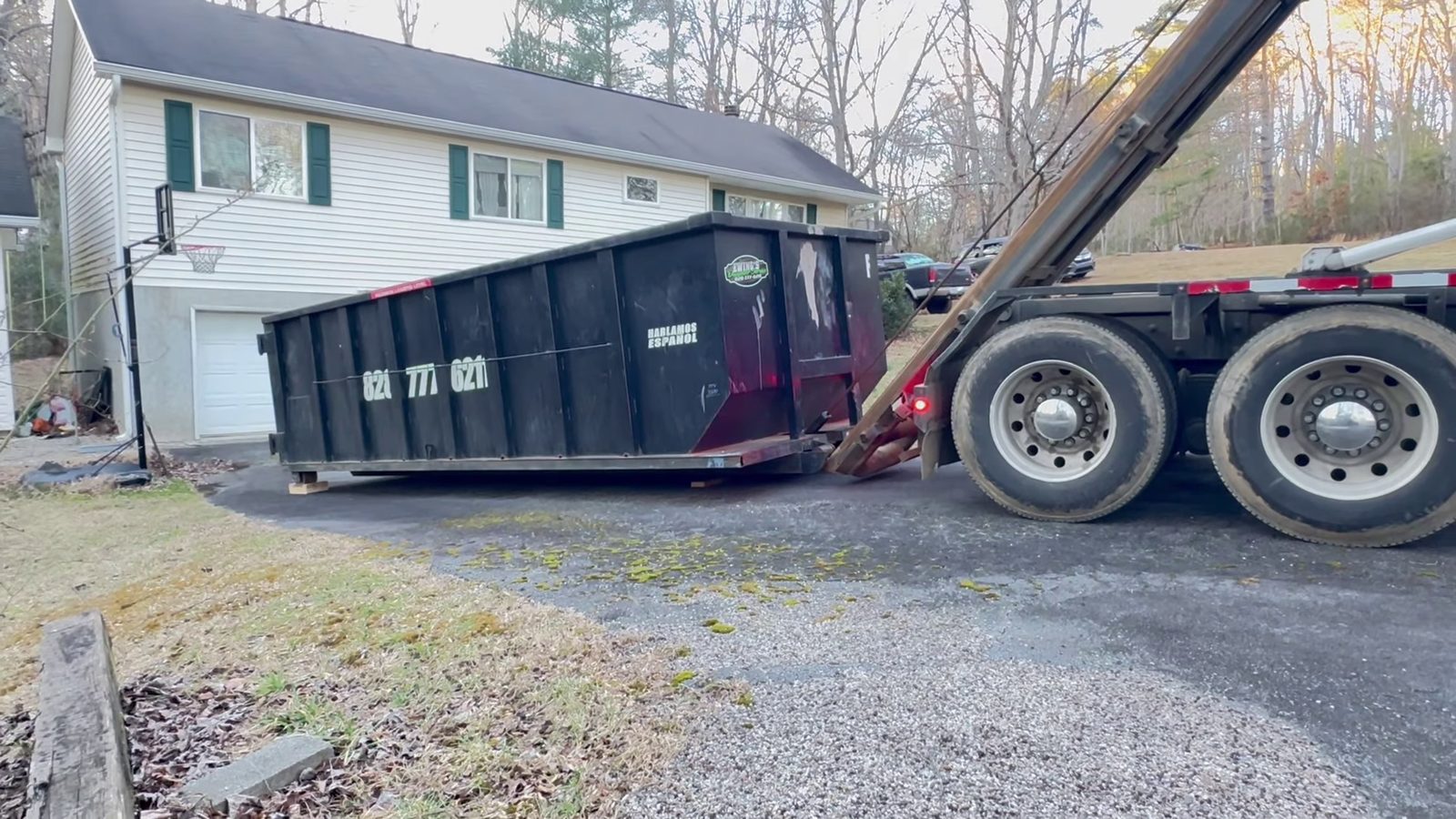
Weaverville's residential streets run tighter than the flat-lot grid most Asheville-area contractors work by default. The older blocks near North Main Street, the hillside neighborhoods climbing above Reems Creek Road, and the newer developments on grade-cut lots north of US-25 all share one challenge: a container that drops cleanly in a Fletcher driveway can land sideways on a Weaverville approach, block a neighbor's curb cut, or sit at an angle that makes loading awkward from the first day. That access question comes before you pick a cubic-yard count.
The housing mix adds another variable. Mid-century ranch homes on compact in-town lots, newer construction on ridge cuts, and older Craftsman houses within walking distance of downtown represent different construction waste streams and very different site geometry. A roofing crew working a 1950s house near town faces different placement constraints than a framing crew on a new hillside build. Getting the right container matched to both the material and the approach is worth a conversation before the truck rolls. Weaverville has seen steady renovation activity as buyers move into older in-town houses and undertake whole-interior work — kitchens, baths, windows, and roofs — which means a lot of small-to-mid jobs running at the same time on streets that do not have wide shoulders. For the full picture of what Ewing's delivers across northern Buncombe County, the construction dumpster rental overview covers every available size and service area.
Matching container to scope: the working table
Most Weaverville construction jobs fall into a predictable size bracket once you know the material and volume. The table below maps common project types to the two sizes Ewing's delivers here — pricing current as of January 2026, delivery and pickup included, depending on location within northern Buncombe County.
| Project Type | Suggested Size | Price |
|---|---|---|
| Roofing tear-off (asphalt shingles, 1–2 squares) | 17-yard | $325 |
| Bathroom gut or kitchen remodel | 17-yard | $325 |
| Deck removal or outbuilding demo | 17-yard | $325 |
| Multi-room renovation or addition cleanup | 30-yard | $480 |
| Whole-house gut or large interior demo | 30-yard | $480 |
| Storm debris or large yard clearing | 17 or 30-yard | $325–$480 |
Heavy materials move the needle even when the bin is the right size. Roofing tear-offs on Weaverville's older houses often come off in layers — asphalt over wood shingles, sometimes with original cedar underneath — and that stacked weight loads dense fast. The dumpster weight limits guide explains how material type affects what a container can legally carry on the road, which matters when tile, concrete, or multiple roofing layers go in together on the same pull. For jobs that need the larger container, the 30-yard dumpster rental page details capacity and how to plan the drop. On large renovation jobs where clean wood, metal, or concrete can be pulled out before the final pickup, sorting pays off — the EPA's guidance on construction and demolition materials explains how separating recyclable debris from a mixed load reduces total weight and disposal cost on bigger projects.
What stays out of the bin
Construction dumpsters are for construction and demolition debris: lumber, drywall, flooring, roofing, fixtures, and general renovation material. Several categories require separate handling regardless of how they look on a job site. Paint cans, solvents, adhesives, fluorescent tubes, treated lumber, and anything with a chemical label are hazardous waste — they cannot go into a mixed load bound for a county solid waste facility. The EPA's household hazardous waste guidance explains why mixed loads create disposal problems that follow the hauler, not just the homeowner.
North Carolina draws its own line through the NC DEQ Solid Waste Section, which lists what the state's permitted landfills cannot accept. For Weaverville renovation jobs — especially on older houses where lead paint, asbestos-era floor tile, and original blown insulation are real possibilities — confirming material type before it hits the bin is not bureaucratic caution; it is the difference between a smooth disposal and a load turned away at the gate. When the material is unfamiliar, call ahead and describe it before loading.
Loose dirt, clean concrete, and large tree stumps are also excluded from standard construction bins. These have dedicated disposal streams, and mixing them wastes bin capacity you already paid for.
Placement, permits, and the right-of-way
Most Weaverville driveways can take a bin without a permit. When a container needs to sit on a public street or curb — common on tighter in-town lots where the driveway approach is too narrow or too steep for the delivery truck to reach — the rules change. Any container placed in a state-maintained right-of-way in North Carolina requires an encroachment permit from the NC Department of Transportation. For town-maintained streets in Weaverville, the same principle applies at the municipal level. Getting that paperwork in order before the drop prevents a container that has to move mid-job, which is never an inexpensive problem on a tight schedule.
Lighting and visibility markings on a street-placed container are a code requirement, not an optional safety gesture. The International Code Council's guidelines on on-site waste containers address how temporary bins interact with site safety rules, particularly on active construction sites near traveled lanes or pedestrian routes. On Weaverville's narrower in-town streets, that detail affects neighbors as much as the crew.
For commercial projects — a renovation to a storefront near downtown or work on a building close to US-25 — confirm any local site-plan conditions before scheduling delivery. Requirements vary by project type and proximity to the roadway, and a quick call ahead avoids a placement that has to be moved.
Storm cleanup and project pacing in Buncombe County
Buncombe County carries a long record of federally declared weather events — 19 declarations spanning 1973-2026 — most tied to severe storms, flooding, and wind damage. After a significant event, construction dumpsters around Weaverville fill with a different mix than routine renovation loads: tree debris, damaged roofing, waterlogged flooring, and in some cases structural material from buildings that did not come through. That post-storm volume tends to arrive in a short window, so getting a container on the schedule before the cleanup peaks gives crews a real advantage.
Project sequencing is worth thinking about on routine jobs as well. A kitchen remodel that runs longer than expected, a roofing project that reveals rotted decking underneath, or an addition that opens walls to find unexpected material — all of these generate more debris than the original estimate. Building a buffer day into the rental period before the final pickup call is standard practice on jobs where scope can shift. If the bin fills ahead of schedule on a Weaverville route, Ewing's can arrange a swap without pulling the job off-track — the key is flagging it early rather than after the bin is already piled high.