When the driveway is part of the job
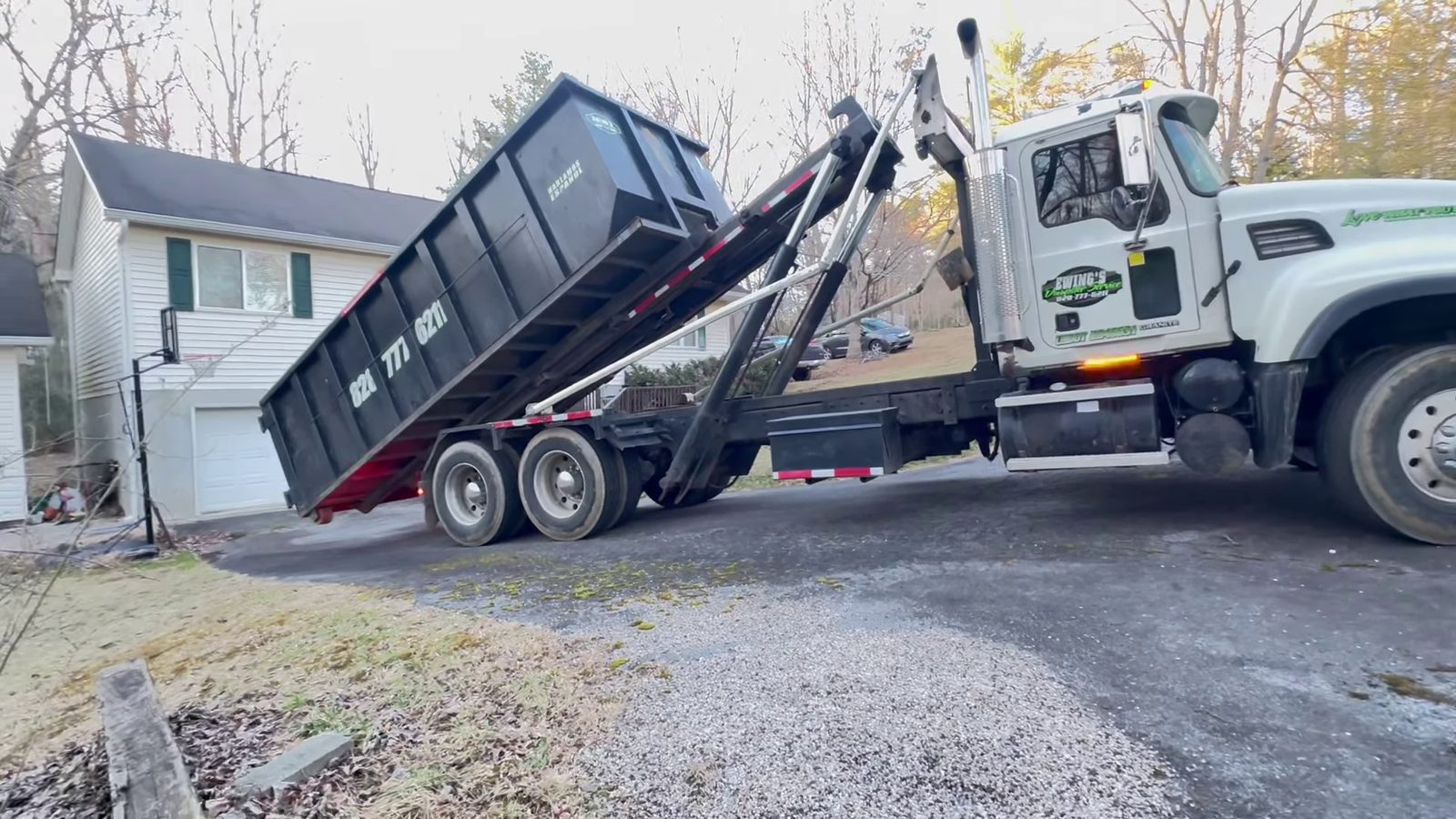
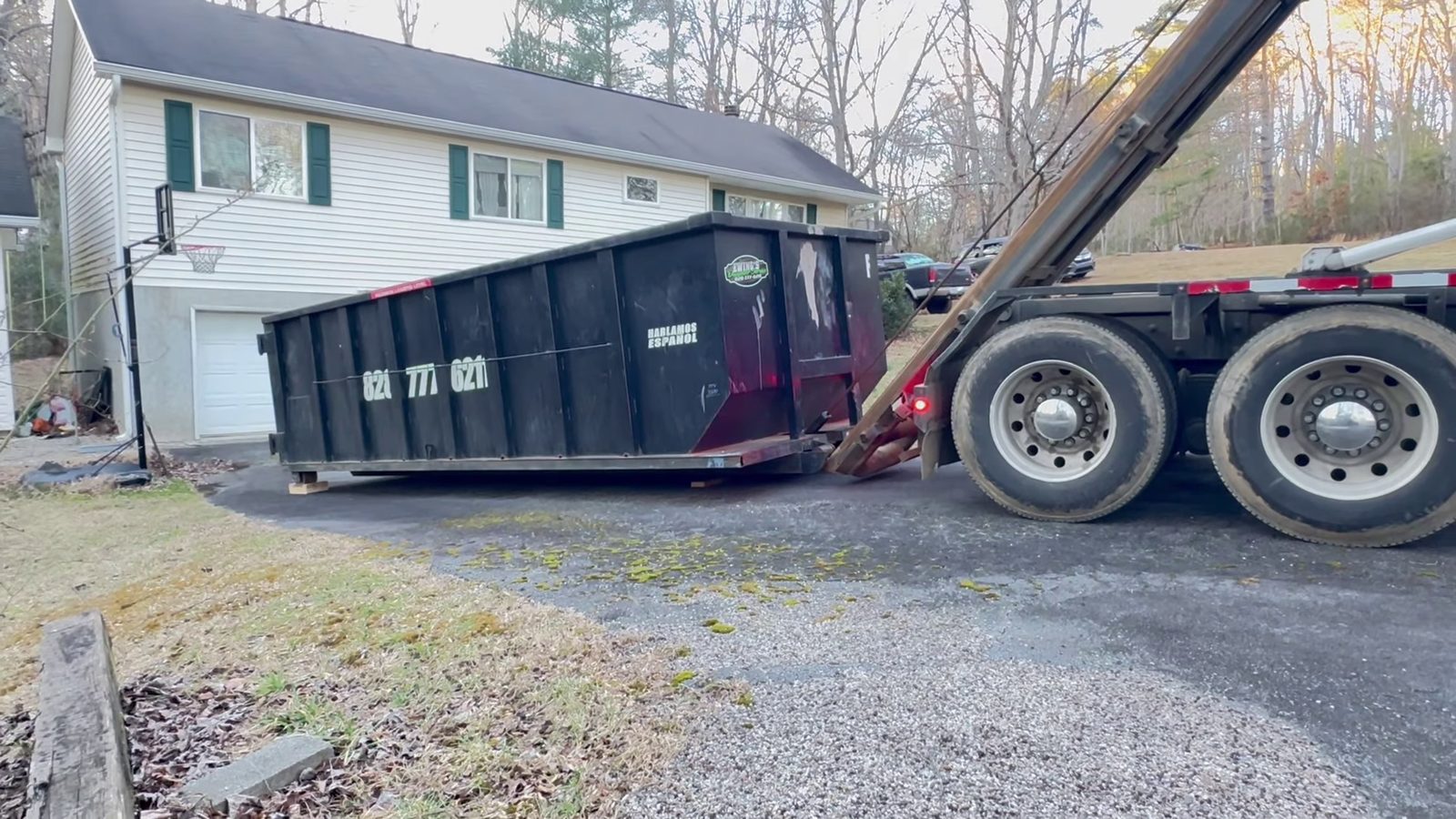
Fairview runs along the eastern edge of Buncombe County where paved county roads turn into private gravel drives within a quarter mile, and those drives often climb. That terrain shapes a roll-off delivery in ways an Asheville curbside drop never has to consider: not the bin size, not what you are hauling, but whether a delivery truck can safely position and extract at your chosen spot. A flat lot near a paved road and a wooded parcel off a hairpin ridge approach are the same rental on paper; in practice they need different planning.
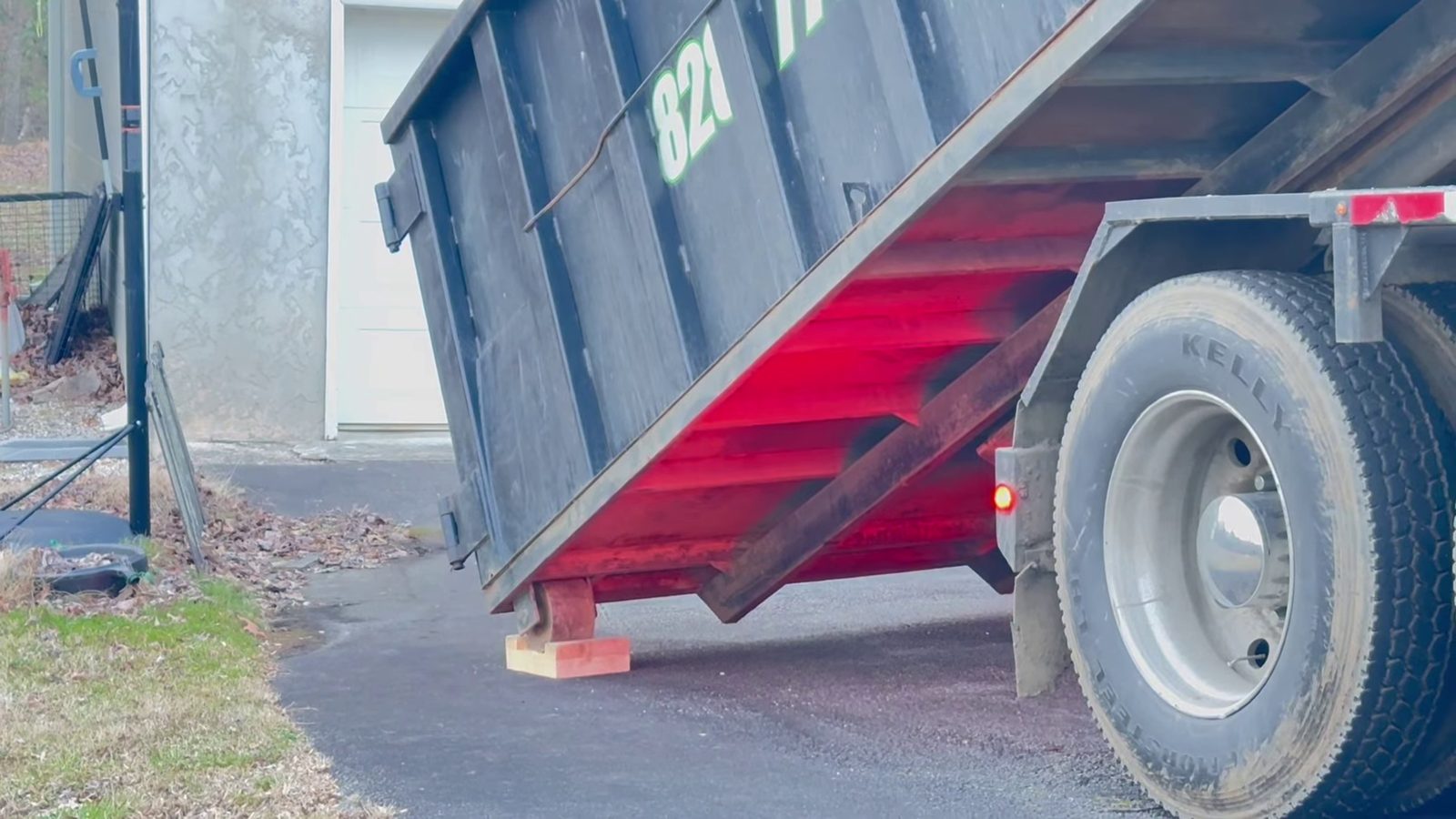
Before you book, describe your access honestly: paved or gravel, estimated grade, any tight turns, low-hanging lines, and how close to the road the bin needs to land. That takes two minutes and eliminates the most common day-of complications. If a heavily graded private drive forces a creative drop location, flagging it upfront usually produces a better placement option than discovering the problem when the truck arrives. For a full picture of how a roll-off rental works from booking to pickup, the service page covers the whole sequence.
The other Fairview-specific variable is the nature of the job. Estate cleanouts on older rural parcels, renovation of a farmhouse or converted outbuilding, removal of a detached structure — these generate mixed loads that benefit from a quick materials conversation before you start filling the bin. Getting that right the first time saves a second trip.
Scope and price for typical Fairview projects
Ewing's posted prices (January 2026) cover delivery and pickup in one number: $199 for a 10-yard, $280 for a 15-yard, $325 for a 17-yard, and $480 for a 30-yard. The right bin keeps total cost down — an oversized bin on a small cleanout is money sitting empty on your driveway. The table below matches common project types to realistic sizes and costs. For a full line-item breakdown, the dumpster rental cost guide goes into detail on volume estimates and what actually moves the number.
| Project type | Recommended size | Price |
|---|---|---|
| Single-room cleanout or small yard debris haul | 10 yd | $199 |
| Whole-house interior cleanout | 15 yd | $280 |
| Bathroom or kitchen remodel | 15–17 yd | $280–$325 |
| Roofing tear-off, single story | 17 yd | $325 |
| Storm debris and downed timber | 17–30 yd | $325–$480 |
| Full gut-renovation or large estate cleanout | 30 yd | $480 |
Storm cleanup is a real and recurring use case in this part of Buncombe County. The county has recorded 19 federal disaster declarations spanning 1973-2026, most of them tied to flooding and high-wind events that push mixed debris loads onto rural properties. Storm waste — saturated lumber, downed limbs, waterlogged insulation — is heavier per cubic yard than dry interior material. When sizing for storm aftermath, the conservative choice is the next bin up; a second trip costs more than the size upgrade.
What goes in and what stays out
Standard project debris fills a roll-off without issue: lumber, drywall, roofing shingles, concrete in moderate quantities, old furniture, appliances, and yard waste. The materials that create problems — and can result in surcharges or a load rejection at the transfer station — are those that NC and federal rules remove from the standard solid waste stream. The NC DEQ Solid Waste Section maintains the current prohibited-materials guidance for North Carolina; bulk tires, lead-acid batteries, and fluorescent tubes each have separate disposal paths and cannot go in a roll-off bin regardless of quantity.
For older Fairview properties undergoing renovation, the sharper concern is household hazardous waste: stored paint cans, solvents, pesticides, used motor oil, and pool chemicals that have accumulated in outbuildings over decades. None of that belongs in a roll-off. Buncombe County's household hazardous waste program holds periodic drop-off events for exactly this category of material. Keeping those items separate protects you from load surcharges, keeps the bin compliant through the disposal chain, and avoids a rejection at the transfer station that costs more time than it saves.
Road placement and right-of-way questions
Most Fairview properties have enough private frontage that the dumpster lands on your own ground and the right-of-way question never arises. It becomes relevant when a narrow lot or a driveway that opens flush onto a state-maintained road leaves no workable position off public property. A container placed on road shoulders or within the NC DOT right-of-way typically requires an encroachment permit before placement — not after a complaint surfaces. The permit process for a short-term container is straightforward, but it has to happen in advance of the drop.
If you are in one of Fairview's newer subdivisions with an HOA, check the community's own staging requirements alongside any applicable state or county permit. Those requirements run in parallel, not in place of each other. When placement is not obvious from your lot layout, a brief call to Ewing's before booking usually resolves it without requiring a site visit.
Matching bin size to what you actually have
The most common sizing error on rural Fairview jobs is underestimating outbuildings, sheds, and secondary structures that are not visible from the main house. Estate cleanouts in particular grow once you open the doors — decades of tools, furniture, and stored material in structures that may not have been touched in years. The dumpster size guide works through cubic-yard estimates by material type and walks through a room-by-room approach so the size decision has a real basis rather than a guess.
For renovation and construction projects, the EPA guidance on construction and demolition materials notes that separating clean concrete, metal, and salvageable wood from mixed debris can reduce overall disposal costs on larger jobs. On a full gut-renovation with multiple loads it is sometimes worth planning those streams separately before the bin arrives. On a single bathroom remodel it typically is not worth the added coordination.