The house before you start sorting
A bungalow in Montford built in the 1920s and a retirement cabin off Reems Creek Road look nothing alike, but they tend to share one characteristic: more accumulated contents than you estimated before the first door opened. Buncombe County's housing stock runs the full range — Craftsman-era homes in West Asheville and Kenilworth, mid-century ranches along Tunnel Road, vacation and retirement properties scattered through the county's coves and ridges — and all of them have been collecting since long before the last serious conversation about what to do with everything.
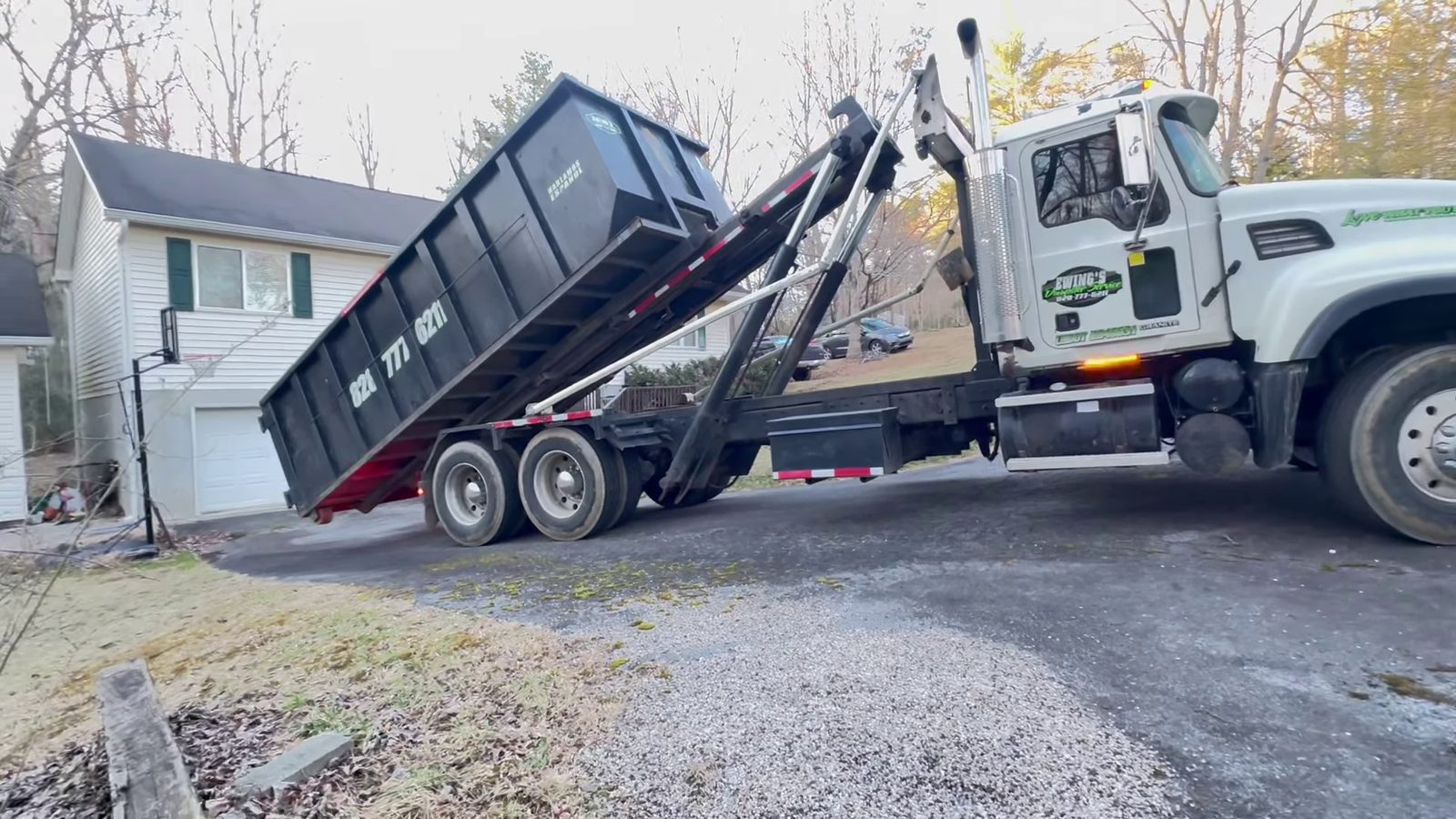
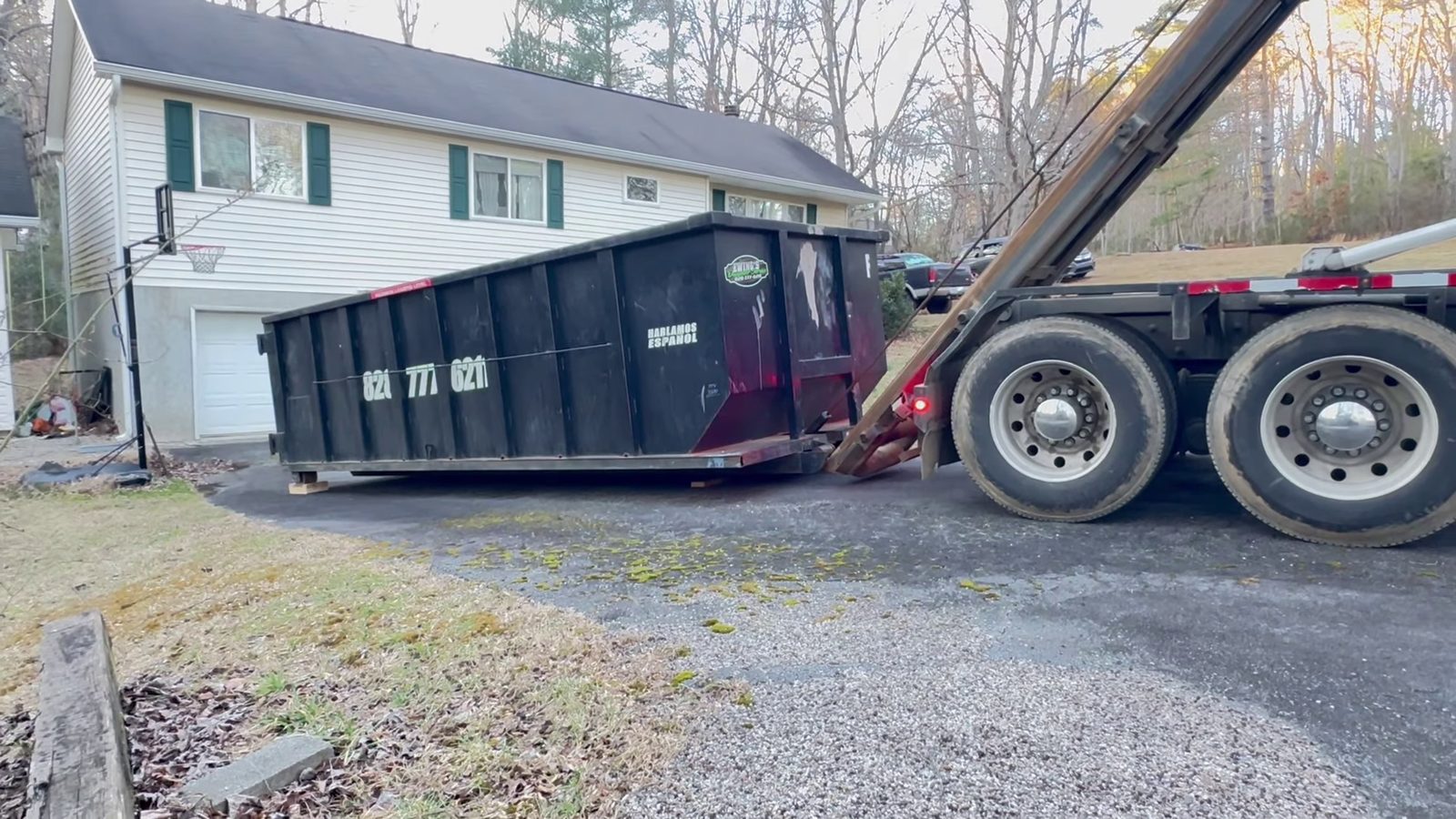
The terrain adds a layer. Many inherited properties in this county sit on steep lots, are accessed by one-lane gravel drives, or have no flat surface within reach of the front door. Knowing where a dumpster can physically land, and whether it requires a permit to sit on a public road, is worth confirming before the truck arrives. Getting that detail right saves a repositioning charge and keeps the project moving.
Most cleanouts in Buncombe County's older housing stock also carry a hazardous-materials layer that a newer suburban home usually doesn't. Oil-based paint stored in outbuilding shelves, old pesticides, appliances with refrigerants, and mercury-containing thermostats are common in homes that haven't been fully sorted in decades. Planning for those items in advance is easier than discovering them mid-job.
What goes in and what stays out
Most household contents move freely into a cleanout dumpster: furniture, clothing, non-hazardous debris, broken fixtures, carpet, standard appliances without refrigerant, and bagged trash. The categories that cannot go in are worth knowing before you start filling the bin, because mixing prohibited materials into a load creates a problem at the landfill that comes back to the rental customer.
The EPA's household hazardous waste guidance defines what cannot enter standard solid waste disposal: oil-based paint, all aerosol cans, motor oil and gasoline, pesticides and herbicides, pool chemicals, and mercury-containing devices including older thermostats and certain fluorescent lighting. These items are common in homes built before modern disposal awareness, which covers a large share of Buncombe County's pre-war and mid-century housing.
North Carolina adds its own requirements on top. The NC DEQ Solid Waste Section maintains the state list of landfill-prohibited materials, which includes whole tires, lead-acid batteries, and appliances containing refrigerants. Refrigerators, dehumidifiers, and window air conditioning units require refrigerant recovery before disposal. Your rental provider should be clear about what they will and won't accept; if that conversation doesn't happen before drop-off, ask before you start filling.
What the job typically costs
Cleanout costs in the Asheville area depend primarily on volume and how many dumpster hauls the job requires. The table below reflects typical ranges for a dumpster-based cleanout, before any additional labor costs for hauling and sorting:
| Scope | Dumpster size | Ewing's price |
|---|---|---|
| Small home or apartment contents, minimal outbuildings | 10 yd | $199 |
| Standard two- or three-bedroom home | 15 or 17 yd | $280 or $325 |
| Larger home, full attic, or significant outbuilding contents | 30 yd (or two hauls) | $480 each |
Weight overages are the most common source of unexpected charges. Standard loads come with a weight allowance; heavy materials push costs up regardless of container volume. Wet insulation from a water-damaged crawl space, old tile, and concrete left behind from an unfinished renovation are the usual culprits. The 17-yard dumpster fits most standard two- and three-bedroom Asheville homes in a single pull; the cleanout rental overview compares all available sizes side by side.
Getting the dumpster to the property
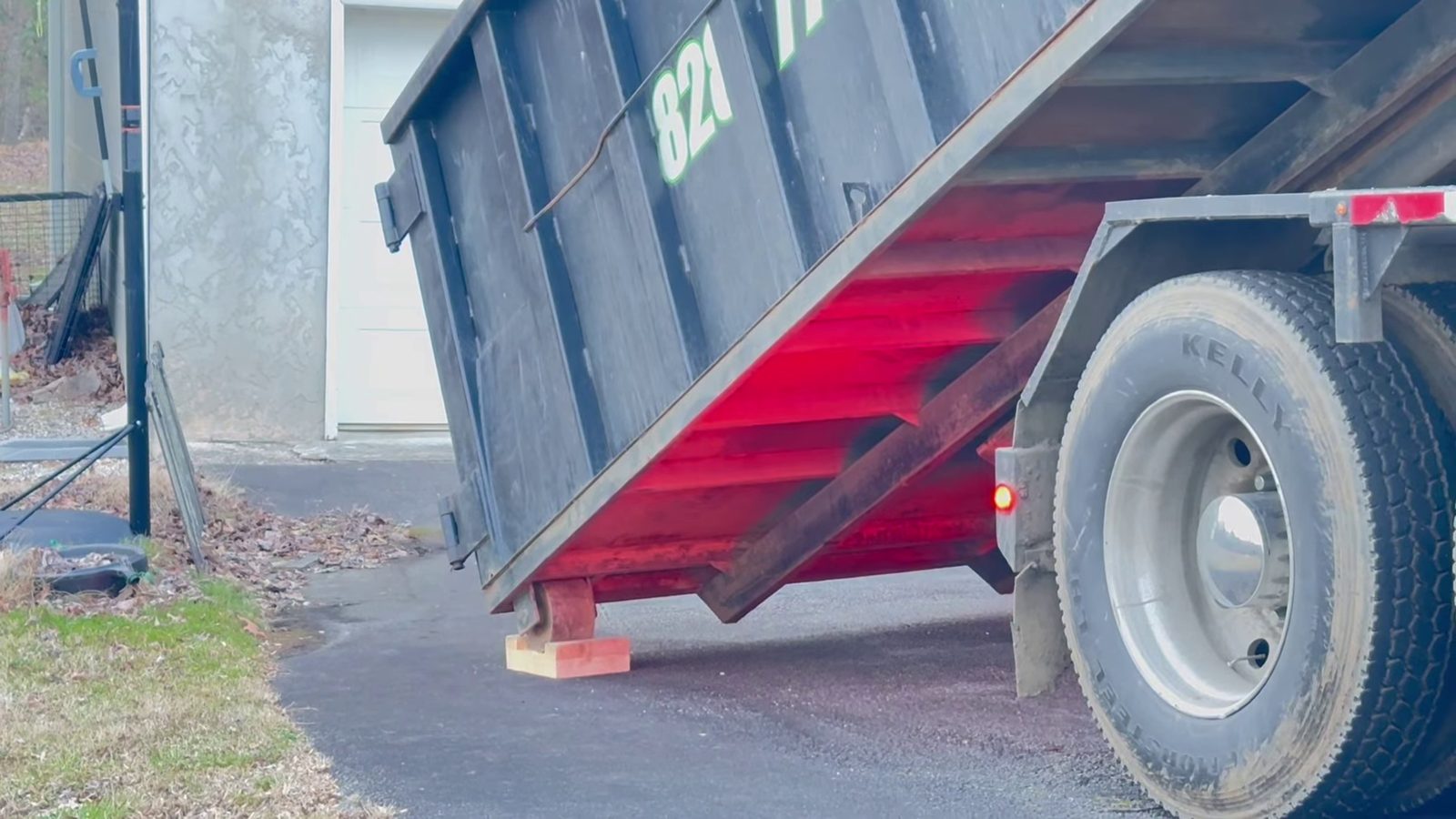
A dumpster set on a private driveway with room for the delivery truck to maneuver does not usually require a permit. Placement on a public street is different. In Asheville, street placement requires coordination with the City of Asheville; for properties accessed by state-maintained roads outside city limits, the starting point is NC DOT's encroachment and right-of-way permit process. Neither is difficult to navigate, but neither happens the same day, so confirming placement logistics when you book saves a scramble on delivery morning.
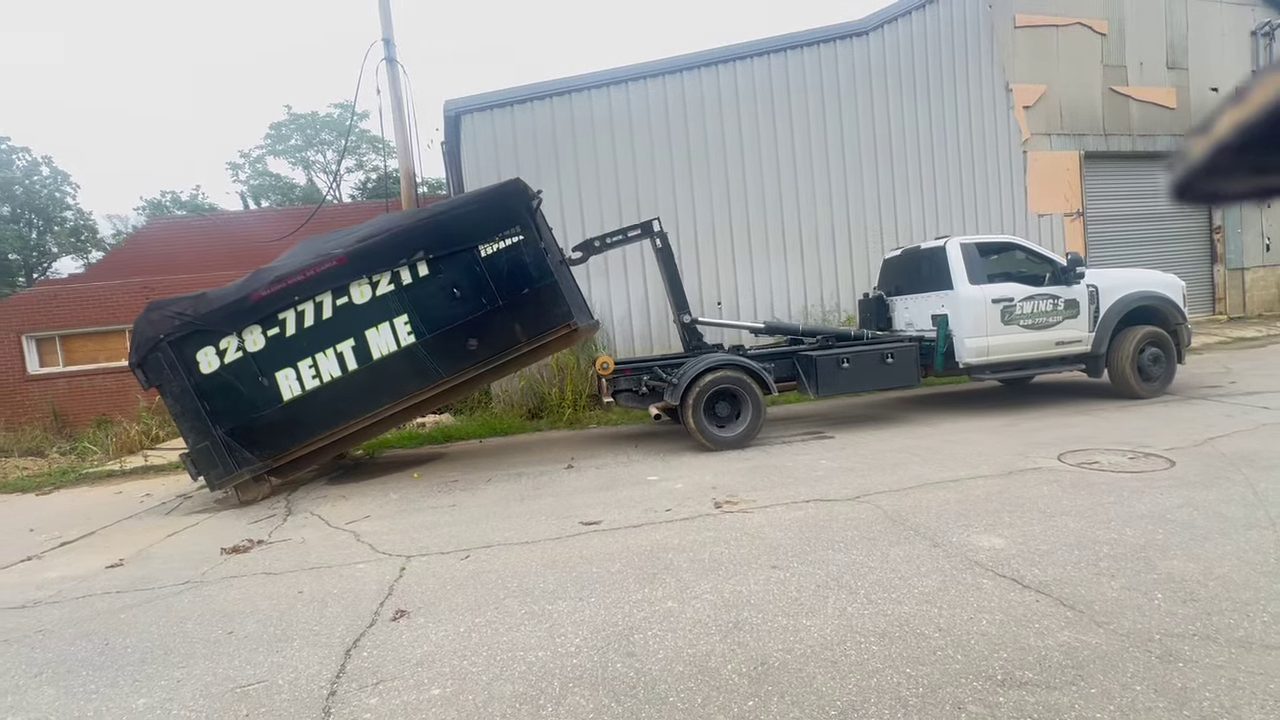
Steep and narrow access is common throughout Buncombe County, particularly on ridge-road and rural properties. When a standard roll-off truck cannot navigate the driveway, the dumpster sits at the road, which is exactly the situation where the street permit question becomes relevant. Knowing this in advance lets you request a smaller, more maneuverable container if one is available, or confirm that roadside placement is permitted before the driver arrives.
How long you will need the container is worth thinking about at booking. Most cleanouts run between four and ten days; homes with large attics, full basements, or significant outbuilding contents run toward the longer end. The rental period guide explains what a standard rental period includes and what extension options look like when the job takes more time than expected.
A practical order of operations
Sort before you fill the bin. Clothes, furniture in usable condition, books, and kitchenware that local Asheville organizations can use need to leave by vehicle, not dumpster. Getting that layer out of the house first keeps good items out of the landfill and reduces how much dumpster capacity you actually need. Clearing those rooms also gives you a realistic baseline for how the rest of the job is likely to go.
After donations are out, work room by room rather than by category. Emptying one room completely before moving to the next avoids the stalled-mid-sort problem that comes from spreading the work across too many spaces at once. Leave the attic and crawl space for step three or four, after the main living areas are clear — these areas take the most time and tend to hold the highest concentration of items that require separate disposal.
Buncombe County's housing stock has absorbed considerable storm and water damage over the years. This county has recorded 19 federal disaster declarations spanning 1973-2026, most of them from storm and flooding events. If the property has a wet basement or any crawl-space water history, factor that material into your weight estimate early. Wet insulation and drywall are significantly heavier than they appear when dry, and an underestimated weight allowance can turn a one-pull job into two.